
Selling a Rental Property With Tenants in Connecticut: Leases, Deposits and What Changes at Closing
You're not trying to put anyone out. You just don't want to be the landlord anymore.
Maybe you moved south for work and kept the East Hartford two-family because the rent covered the mortgage. The tenants are good people. The couple downstairs has been there more than a decade. Then your property manager gave notice, the boiler started acting up, and you realized you're stuck running a building from another state. Now you're wondering whether you can sell a rental property with tenants in Connecticut, and feeling a little guilty for even asking.
Here's the good news. Nobody has to move out for you to sell. The buyer becomes the new landlord, the leases and deposits go with the building, and your tenants stay put under their current terms. It's one of the core ideas in our guide for Connecticut landlords who are ready to sell.
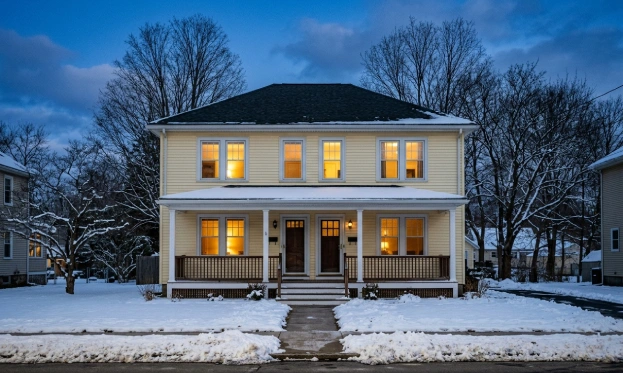
This guide covers what happens to leases and security deposits, how showings work, which Connecticut rules follow the building, and why many investors actually prefer to buy a property that's already rented.
Get a fast, no obligation cash offer!
Fill out this form to get started on your fair all-cash offer.
Get Your Fair Cash Offer
Fill In This Form To Get Your No-Obligation All Cash Offer Started!
"*" indicates required fields
Can You Sell a Rental Property With Tenants in Connecticut?
Yes. When you sell an occupied rental, you sell the building with its tenancies attached. Your tenants stay. The buyer steps into your role as landlord and collects the rent from closing forward. Your attorney typically prepares the documents that assign the leases to the buyer, along with a rent roll that lists every unit, rent and deposit. Your attorney can also confirm how each lease transfers.
Many buyers also ask each tenant to sign a short letter confirming their rent, their deposit and their lease dates. It protects everyone. The buyer knows exactly what they're buying, and your tenants get a clear record that nothing about their deal has changed.
What you shouldn't do is promise tenants something you can't control. You can tell them the truth: the building is being sold, their lease goes with it, and the new owner has to follow the same Connecticut rules you do.
What Happens to Security Deposits When You Sell (CGS § 47a-21)
Connecticut is specific here. Under CGS § 47a-21, the state security deposit law, when a rental property changes hands, the deposits transfer to the new owner. You hand over each tenant's deposit plus the interest it has earned, and the buyer becomes responsible for returning it when the tenant moves out.
Interest matters even when the rate is small. The Department of Banking sets the deposit interest rate every year (0.49% for 2026), and that interest must be paid on each anniversary of the tenancy. For example, at 0.49%, a $1,600 deposit earns about $7.84 in a year. It isn't much money, but a missed payment or a messy deposit record is exactly the kind of thing that slows a closing.
Before you call a buyer, pull together each lease, each deposit amount, the date it was paid, the interest paid each year, and where the money is held. Connecticut requires deposits to be held in escrow at a Connecticut financial institution, so your bank records should show it.
CT Homeowners Love Us!
Here’s how HHB helped people move forward—quickly, quietly, and on their own terms.

Sharon Kiraly
Fairfield, CT
..he made a very fair and equitable offer to purchase my home of 30 years and was sensitive to all my cherished memories of living there, raising my family, and then parting, making it a bearable transition.
I’m very grateful to Daniel Riccio.
Louis - Macdonald
Road Trumbull, CT
The entire process ran smooth and the company was extremely accommodating to our family's needs. They were understanding and gave us the opportunity to have extra time after the sale to sort through our belongings. Whatever we no longer wanted they kindly let us keep on the property and they took care of it for us.
I would highly recommend working with them!
Karen Mavilia
Howe Ave Shelton, CT
Second time with Dan Riccio and and his all-star team -- a rental property in 2019, now my home in January 2025. Flawless synchronicity from start to finish. Downright upright ethics -- so rare today. All commitments met and expectations exceeded. 24/7 project management, impressive array of skilled contractors resolved all issues in a timely professional manner. Best of all, I simply took what I wanted and left all remaining contents.
Showings, Notice and Respect for Your Tenants (CGS § 47a-16)
Connecticut law tries to balance both sides. Under CGS § 47a-16, a tenant can't unreasonably refuse when you need to show the unit to prospective buyers. In return, you must give reasonable written or oral notice, come at reasonable times, and never use entry to harass anyone. Emergencies are the exception.
A traditional listing can mean weeks of showings, open houses and inspector visits inside someone's home. That wears on tenants, and tenants who feel ignored stop cooperating. A cash sale usually needs one walkthrough. Give your tenants written notice, tell them why, and keep it short.

Connecticut Rules That Follow the Building After a Sale
A sale doesn't reset the rules. The new owner takes on the same obligations you have today, and buyers will price them in:
- Rent increases: for leases entered or renewed on or after October 1, 2024, a rent increase needs at least 45 days' written notice (CGS § 47a-4e). There is no statewide rent cap.
- Fair rent commissions: local commissions can reduce, phase in or delay increases they find "harsh and unconscionable" (CGS § 7-148b). The Department of Housing fair rent commission guidance explains how they work.
- Protected tenants in larger buildings: in buildings or complexes with five or more units, CGS § 47a-23c bars evicting a tenant who is 62 or older, or who has a disability expected to last at least a year, just because the lease expired. That rule doesn't cover a stand-alone two- to four-family house, but the deposit, notice and fair rent rules do.
- Security deposits: the buyer takes on your deposits and the duty to return them within 21 days of move-out, or 15 days after receiving a written forwarding address, whichever is later.
Local rules matter, too. East Hartford set up its own Fair Rent & Quality Housing Commission in July 2023. If you own a two-family there, a buyer will want to know about any open complaints, and we buy houses and rentals in East Hartford with those questions already on the table.
Lawmakers also debated a proposal in 2026 to limit rent increases after a residential property changes hands. That bill, HB 5092, did not pass before the 2026 session ended, but similar ideas can come back in a future session. Proposals like that are one more reason buyers look closely at current rents.
Why Many Investors Prefer to Buy Occupied Rental Property
It surprises a lot of owners, but plenty of buyers want the tenants. An occupied building produces rent from day one. There's no vacancy to fill, no screening and no turnover painting. A tenant's payment history tells the buyer more than any listing photo.
Buyers look closely at the rent roll, how far rents sit below market, the condition of each unit and the systems, and any open issues, like a tenant who's behind, a fair rent complaint or a health department order. None of those has to stop a cash sale. They shape the price. A cash buyer like Helpful Home Buyers looks at all of it in one walkthrough and puts it into a single written number.
If a tenant has fallen behind and you're weighing an eviction first, read how long an eviction really takes in Connecticut before you decide. Selling as-is can be faster than finishing the case.
How a Tenants-in-Place Sale Works With Helpful Home Buyers
Dan and Meghan buy rental properties across Connecticut with tenants in place, with no evictions or repairs needed first. You reach out, they schedule one walkthrough with proper notice to your tenants, and you get a written, no-obligation cash offer within 24 hours of the visit. You pick the closing date, in as little as about 10 days. At closing, the leases and deposits transfer, and you're done being the landlord.
You can see each step of our cash offer process, or learn more about how we buy Connecticut rental properties with tenants in place. If your building is a three- or four-family, our guide to selling a multi-family house in Connecticut covers FHA rules, lead paint and taxes.
Frequently Asked Questions
Navigation
Sell the Building and Keep Your Word to Your Tenants
You can do right by the people who've paid you rent for years and still get out. Helpful Home Buyers schedules one respectful walkthrough and puts a written cash offer in front of you within 24 hours. No weeks of showings in your tenants' homes. No repairs. Nobody has to move to make the sale happen. Start your no-obligation offer today.