
Lead Paint, Asbestos and Other Pre-1978 Surprises: What Connecticut Home Sellers Must Disclose
The young couple loved the porch. Their inspector loved it a lot less.
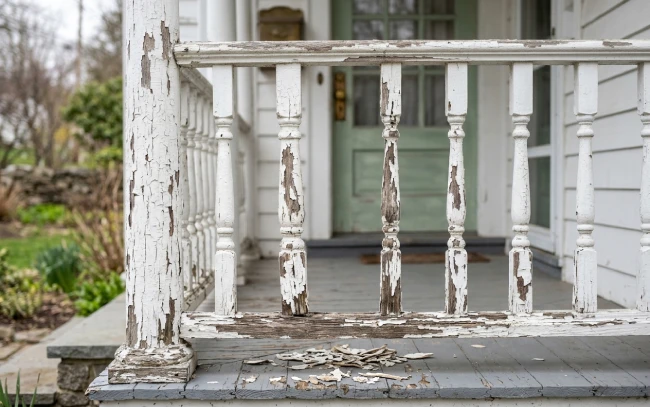
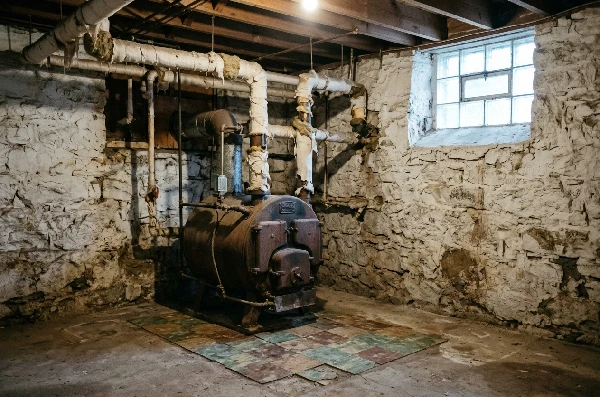
Paint layered on paint on the porch rails, starting to curl. A crumbling white wrap on the old basement pipes. Pebbly, silver-brown insulation between the attic joists. If you're facing lead paint disclosure in Connecticut because your house was built before 1978, details like these make buyers nervous — and raise a fair question for you: what do you actually have to tell them?
You're far from alone. In Connecticut, where the median home was built in 1966, more than half of all houses predate 1978. This guide covers the lead rule and the other older-house issues — asbestos and radon — that come up when you sell. It explains what the rules require, what they don't, and how to sell honestly without paying for testing or abatement first. It's part of our guide to selling an older house that needs major repairs.
Get a fast, no obligation cash offer!
Fill out this form to get started on your fair all-cash offer.
Get Your Fair Cash Offer
Fill In This Form To Get Your No-Obligation All Cash Offer Started!
"*" indicates required fields
Lead Paint Disclosure in Connecticut: The Federal Rule for Homes Built Before 1978
Lead paint disclosure in Connecticut follows a federal rule — Title X, Section 1018, carried out by HUD and EPA — that covers most homes built before 1978. The Connecticut Department of Public Health's lead disclosure page summarizes the seller's side. When you sell, you must:
- Disclose what you know. Tell the buyer about any lead-based paint or lead hazards you know of, and hand over any lead reports or records you have.
- Give the pamphlet. Provide the EPA-approved pamphlet “Protect Your Family From Lead in Your Home.”
- Include the warning language. The purchase contract must include the federal lead warning statement, with the required signatures.
- Offer a 10-day testing window. The buyer gets a 10-day opportunity to have the home tested for lead. The buyer can waive it in writing, or the two of you can agree in writing to a different period.
- Keep the paperwork. Hold on to the signed disclosure records for three years.
Just as important is what the rule does not require. It doesn't make you test the house for lead, and it doesn't make you remove or cover lead paint before you sell. It requires honesty about what you know and a fair chance for the buyer to look. Foreclosure sales are exempt; ordinary owner sales are not.
If the house is a two- to four-family and you rent part of it out, Connecticut's lead rules for landlords add another layer, including abatement orders when a child's blood test triggers a health-department inspection. Our guide to selling a 2–4 family house in Connecticut covers that side of it.
CT Homeowners Love Us!
Here’s how HHB helped people move forward—quickly, quietly, and on their own terms.

Sharon Kiraly
Fairfield, CT
..he made a very fair and equitable offer to purchase my home of 30 years and was sensitive to all my cherished memories of living there, raising my family, and then parting, making it a bearable transition.
I’m very grateful to Daniel Riccio.
Louis - Macdonald
Road Trumbull, CT
The entire process ran smooth and the company was extremely accommodating to our family's needs. They were understanding and gave us the opportunity to have extra time after the sale to sort through our belongings. Whatever we no longer wanted they kindly let us keep on the property and they took care of it for us.
I would highly recommend working with them!
Karen Mavilia
Howe Ave Shelton, CT
Second time with Dan Riccio and and his all-star team -- a rental property in 2019, now my home in January 2025. Flawless synchronicity from start to finish. Downright upright ethics -- so rare today. All commitments met and expectations exceeded. 24/7 project management, impressive array of skilled contractors resolved all issues in a timely professional manner. Best of all, I simply took what I wanted and left all remaining contents.
Asbestos in Older Connecticut Houses: Usually Safest Left Alone
Asbestos turns up in plenty of homes from the middle of the last century — in vermiculite attic insulation, old floor tiles, and the wrap around boiler and heating pipes. The instinct is to rip it out before you list. Resist it. EPA's guidance on asbestos in the home says material in good condition is generally safest left undisturbed, and that removal or repair should be handled by trained professionals. If it's already damaged or crumbling, EPA says to limit access to the area and leave any repair or removal to a trained, accredited professional. Disturbing it yourself can create the very hazard buyers worry about.
Vermiculite deserves a special note. EPA advises homeowners to assume vermiculite attic insulation may contain asbestos, to leave it undisturbed, and to hire a professional asbestos contractor rather than trying to remove it themselves.
Radon: The Number That Shows Up in Connecticut Inspections
Radon isn't tied to a house's age the way lead paint is, but it shows up in plenty of Connecticut inspection reports. It's an invisible gas that rises from the ground, and many buyers test for it during the inspection period. The EPA's action level is 4 picocuries per liter (pCi/L). If a buyer's test comes back at or above 4, expect a request for a mitigation system — usually a vent pipe and fan that pull radon from beneath the house and send it outside — or a credit to cover one.
What Connecticut's Condition Report Asks About All Three
Connecticut's Residential Property Condition Report, required under CGS § 20-327b, covers lead, asbestos and radon. It asks whether asbestos-containing insulation or building materials are present, and whether lead paint is present — and if so, where. It asks whether a radon test has been performed (if one has, you attach a copy) and whether a radon control system is in place. You answer to the best of your knowledge, and the form allows “UNK” (unknown) when you truly don't know.
If a past inspector or contractor told you a material contains asbestos, share that. If you've never had anything tested, the law doesn't require you to start testing now. Pull together what you already have: old lead or asbestos test results, abatement or removal receipts, radon results and any mitigation-system paperwork.
Before You Grab a Scraper: Fixes That Can Backfire
When you're getting ready to sell, the urge to clean things up before buyers see them is natural. In a pre-1978 house, some of the usual fixes can backfire:
- Scraping or sanding old paint can spread lead dust through the house — the exact hazard young families worry about.
- Pulling up old tiles or stripping pipe wrap can release asbestos fibers from material that was sitting safely in place.
- Painting over a problem doesn't erase what you know. If you knew about lead paint before you covered it, it still belongs in your disclosure.
Hiring it out has its own rules. Paid contractors who disturb painted surfaces in most pre-1978 homes must follow EPA's lead-safe Renovation, Repair and Painting (RRP) rule, which adds steps — and cost — to the job. Scraping and repainting a porch before you list is rarely the quick fix it looks like.
Why Pre-1978 Issues Scare Off Financed Buyers
The buyers most drawn to older houses — young families looking for space, character and a yard — are often the most worried about lead. Their lenders can add pressure, too: FHA and many other lenders flag peeling or chipping paint on homes built before 1978, which can turn a cosmetic problem into a closing condition. That's how many deals fall apart after the inspection.
It's a familiar story in older river towns. In Derby, where many houses on the hills above the Naugatuck and Housatonic rivers date back to the city's mill-town years, porches, windows and trim often carry decades of paint. The same houses sometimes hide a buried heating-oil tank in the yard as well — one old-house issue rarely travels alone.
Selling a Pre-1978 House As-Is to a Cash Buyer
Helpful Home Buyers buys older Connecticut houses as they stand — peeling paint, old pipe wrap, vermiculite and all. You still provide the lead disclosure and the pamphlet, because the rule applies to the sale. But there's no lead testing, abatement, scraping or painting on your side before closing. A buyer who is pricing the house as-is may also choose to waive the 10-day testing window in writing.
Dan and Meghan at Helpful Home Buyers make a written cash offer within 24 hours of the walkthrough and can close in as little as about 10 days, or on your schedule. No repairs, no showings, no commissions. If you'd like to compare the routes first, our page on selling a house that needs repairs in CT lays them out side by side.
Frequently Asked Questions
Navigation
→ Back to: Sell a House That Needs Major Repairs in Shelton, CT
→ Back to: Selling a House With an Oil Tank in Connecticut
→ Next: Your Connecticut House Failed Inspection — Now What?
→ Service area: We Buy Houses in Derby, CT
Disclose What You Know — Then Let Someone Else Handle the Rest
You don't need to make an old house look new to sell it. Share what you know, sign the disclosure, and let Helpful Home Buyers take it from there. Get your written, no-obligation cash offer or fill out the form below.